Understanding Workflow Analytics: A Beginner's Guide
Learn the fundamentals of workflow analytics and how data-driven insights can transform the way your team operates. Perfect for teams just getting started.
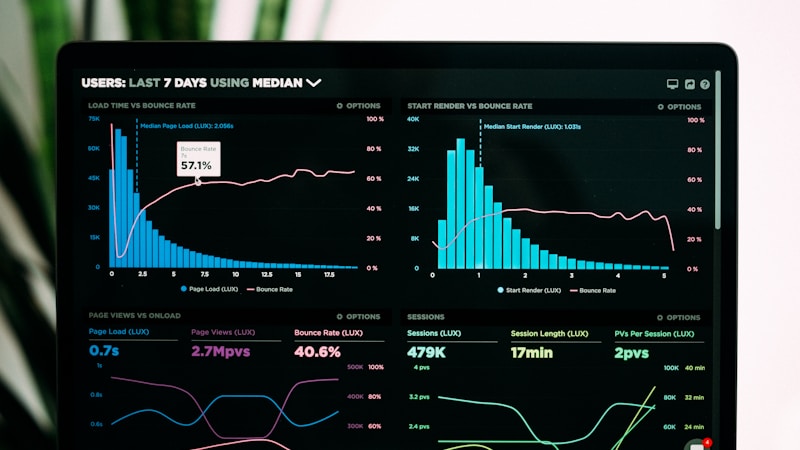
What Is Workflow Analytics?
Workflow analytics is the practice of collecting, measuring, and analyzing data about how work gets done within your organization. It’s like having an X-ray vision into your team’s processes.
Why It Matters
Most teams operate with blind spots. They think they know where time is being spent, but the data often tells a different story.
Common Misconceptions vs. Reality
| What teams think | What data shows |
|---|---|
| ”We spend too much time in meetings” | Meetings may be fine; it’s the prep and follow-up that’s excessive |
| ”Our developers are slow” | Developers are fast; the review/approval pipeline is the bottleneck |
| ”We need more people” | You need better processes, not more headcount |
Key Metrics to Track
1. Cycle Time
How long it takes for work to move from start to finish. Lower is generally better, but consistency matters more.
2. Throughput
The amount of work completed in a given time period. Track this at the team level, not individual.
3. Work In Progress (WIP)
The number of items being worked on simultaneously. High WIP usually indicates low focus and high context switching.
4. Flow Efficiency
The ratio of active work time to total elapsed time. Most teams are shocked to learn their flow efficiency is below 15%.
Getting Started with AstroFlow
AstroFlow makes workflow analytics accessible to teams of all sizes. Our platform automatically connects to your existing tools and starts generating insights from day one.
// Example: AstroFlow API integration
const astroflow = new AstroFlow({
  apiKey: process.env.ASTROFLOW_KEY,
  team: 'engineering'
});

const insights = await astroflow.getInsights({
  period: 'last-30-days',
  metrics: ['cycle-time', 'throughput', 'wip']
});
Next Steps
- Audit your current workflow — Document how work actually flows through your team
- Identify your biggest bottleneck — Focus on the one constraint that limits everything else
- Set a baseline — Measure your key metrics before making changes
- Experiment and iterate — Make small changes and measure their impact
The journey to data-driven team management starts with a single metric. Choose one, track it consistently, and let the data guide your decisions.